
US Consumer Confidence Falls: What It Means for Your Wallet
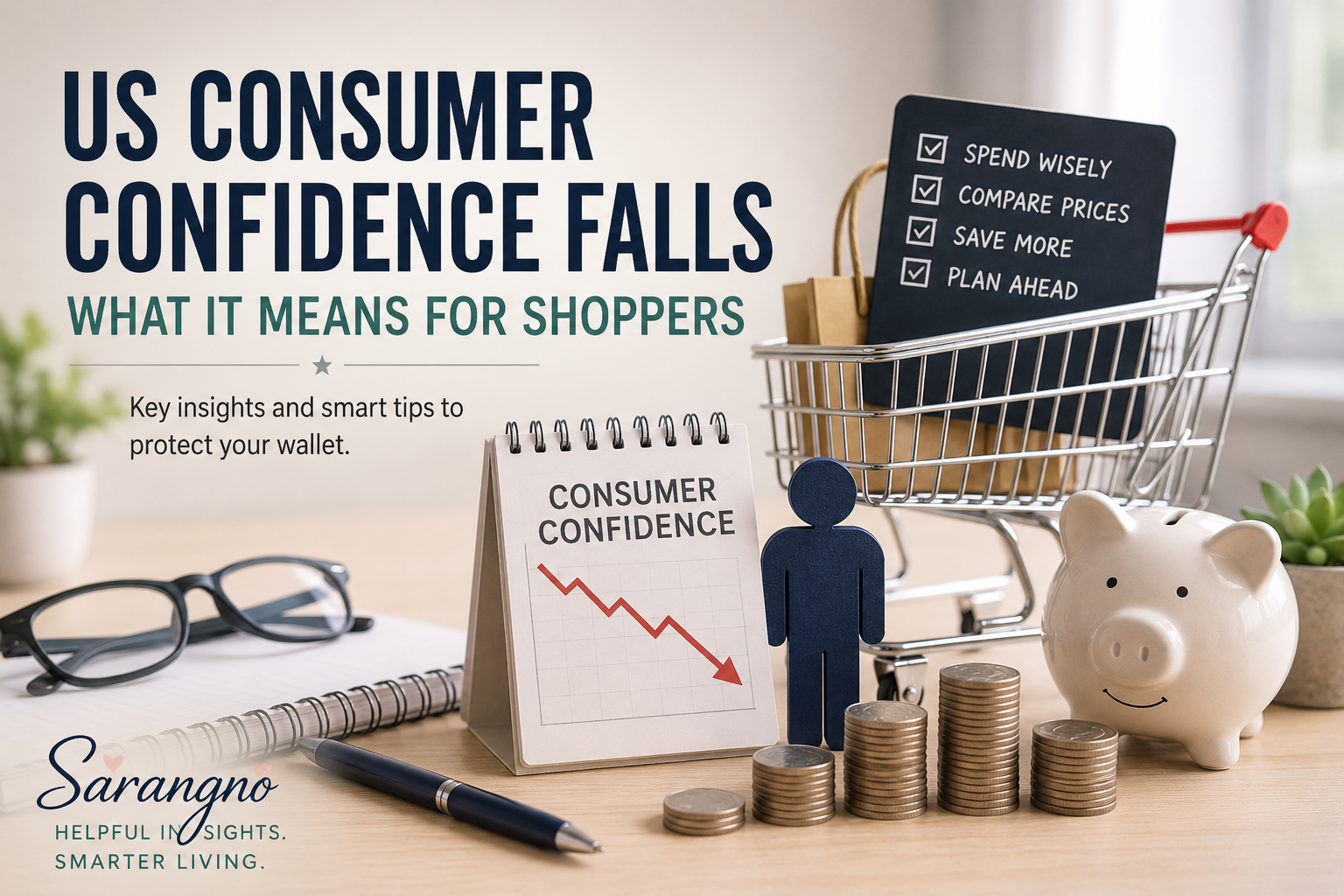
U.S. consumer confidence fell in August as Americans grew more concerned about inflation, jobs, and the economy. The latest drop in US consumer confidence shows that many households are feeling uncertain about what lies ahead—and those concerns can affect everything from everyday spending to major purchases.
What Is Happening With US Consumer Confidence?
Consumer confidence measures how people feel about the economy and their own financial situation. When confidence falls, it often means people are more worried about jobs, prices, and their ability to spend. In August, those concerns increased as Americans continued to feel pressure from higher everyday costs and uncertainty about the job market.
WHAT DO THE AUGUST 2026 NUMBERS SHOW?
The latest numbers help show why Americans are feeling cautious. The Conference Board’s Consumer Confidence Index fell to 89.4 in August 2026, down from 90.2 in July and its lowest level in seven months. Its Expectations Index, which measures how consumers feel about income, business conditions, and the labor market in the months ahead, dropped to 68.2.
Another closely watched survey from the University of Michigan also showed weaker sentiment. Its Consumer Sentiment Index fell to 51.7 in August from 55.2 in July. Together, the surveys suggest that many Americans remain concerned about prices, their finances, and what may happen with the economy next.
Why Are Americans Feeling Less Confident?
Several things are weighing on Americans right now. Inflation is still making everyday essentials feel expensive, many families are watching the job market closely, and borrowing costs remain high. When people feel unsure about income or future expenses, they often become more cautious about spending.
What Does Lower Consumer Confidence Mean for Your Wallet?
When consumer confidence drops, people often become more careful with their money. Families may delay buying a new car, taking a vacation, remodeling a home, or making other large purchases. Even everyday spending on restaurants, entertainment, and nonessential items can slow when people are worried about the economy.
WHY CONSUMER CONFIDENCE MATTERS TO THE ECONOMY
Consumer spending plays an important role in the U.S. economy. When people feel confident about their jobs, income, and finances, they may be more willing to spend on cars, travel, restaurants, home improvements, and other purchases. When confidence weakens, families may postpone some of those expenses and concentrate more on necessities.
That does not mean a drop in US consumer confidence automatically signals a recession. Consumer confidence is only one economic indicator, and it can change from month to month. Economists also watch employment, inflation, wages, retail spending, and interest rates to understand where the economy may be heading.
For households, the important point is practical: uncertainty can be a good reason to review spending, avoid unnecessary high-interest debt, and keep some savings available for unexpected expenses.
Watching changes in US consumer confidence over the coming months can also help families understand whether Americans are becoming more optimistic or cautious about the economy.
What Should Shoppers Watch Next?
In the coming months, shoppers should keep an eye on inflation, interest rates, and the job market. If prices begin to cool and people feel more secure about their jobs, confidence could improve. Until then, comparing prices, avoiding unnecessary debt, and keeping some money set aside for unexpected expenses can help families feel more prepared.
WHEN THE SAME PAYCHECK DOESN’T GO AS FAR
When paychecks stay about the same while rent, groceries, utilities, insurance, and other everyday expenses rise, families have less money left after paying for necessities. The same paycheck simply does not buy as much as it used to.
That can change how people spend. A family may postpone buying a new car, wait longer to replace clothes, eat at restaurants less often, skip a vacation, or put off home improvements. Even households that are still earning the same income may feel financially squeezed because a larger share of every paycheck is needed for basic living expenses.
This helps explain why US consumer confidence can fall even when people are still working. What matters to families is not only how much they earn, but how much their paycheck can actually buy.
THE BOTTOM LINE
Consumer confidence can rise and fall, but the best approach is to focus on what you can control. Watch your spending, compare prices, save when possible, and think carefully before making large purchases. Small, smart financial choices today can help you feel more confident about tomorrow.
For more practical everyday guides, visit the Sarangno Blog.