Walmart AI Pricing: 5 Shocking Things Shoppers Should Know

Artificial intelligence is changing the way Americans shop, and Walmart AI pricing has become a hot topic as shoppers notice more digital price tags appearing on store shelves.
For many people, the big question is simple: Could Walmart use AI or information about you to charge you a different price?
Walmart says no.
Walmart President and CEO John Furner says the retailer will not use a shopper’s income, shopping history, urgency, time of day, or what Walmart thinks that person might be willing to pay to charge that shopper more. Walmart describes its approach as pricing the product rather than the individual customer.
That does not mean Walmart prices can never change. Here is what shoppers should understand.
What Is Walmart AI Pricing?
The phrase Walmart AI pricing can be confusing because Walmart uses technology, analytics, and artificial intelligence in different parts of its business.
However, Walmart says those technologies will not be used to create a unique higher price for an individual shopper based on that person’s personal information.
Prices can still change because of ordinary business factors such as product costs, competition, inventory, location, and seasonality.
That is an important distinction.
A product becoming more or less expensive is not automatically personalized pricing. Personalized pricing generally refers to changing the price for a particular customer based on information about that individual.
Will Two Walmart Shoppers Pay Different Prices Because of Who They Are?
According to Walmart, it will not charge an individual shopper more for a Walmart-sold item because of that shopper’s personal information.
The company says it will not use factors such as a customer’s income, shopping history, urgency, time of day, or perceived willingness to pay to determine a higher individual price.
However, prices can sometimes differ between locations because of legitimate market and operating factors.
So if you see a different price at another Walmart, that does not automatically mean Walmart is personalizing the price specifically for you.
What Are Walmart Digital Shelf Labels?
You may have already noticed small electronic screens replacing traditional paper price tags on Walmart shelves.
These are Walmart digital shelf labels.
Digital shelf labels allow employees to update approved shelf prices much faster than replacing paper labels individually.
But there is an important point for shoppers to understand: Walmart says the electronic labels themselves do not decide what a product costs. They display prices that have already gone through Walmart’s pricing process.
Walmart has been expanding digital shelf labels across its U.S. stores as part of its effort to modernize store operations.
Can Walmart Digital Tags Suddenly Raise Your Price?
Digital shelf technology makes updating a shelf price faster, but Walmart says the labels are not independently changing prices based on who happens to walk down an aisle.
According to Walmart, its digital shelf labels do not contain cameras or microphones, do not identify individual shoppers, and do not collect personal customer information.
The company also says the labels do not independently determine prices.
That means the technology used to display the price should not be confused with the process Walmart uses to decide what the price will be.
What About Walmart Sparky AI?
Walmart also has an AI-powered shopping assistant called Sparky that can help customers discover, compare, and understand products.
As AI becomes more involved in shopping, this raises an understandable question: If you tell an AI what you need, could that information eventually be used to determine how much you are willing to pay?
Walmart says information shoppers provide to Sparky will not be used to raise their individual prices or hide lower-priced products that otherwise meet their needs.
That is an important promise as artificial intelligence becomes more common in online shopping.
Personalized Pricing vs. Regular Price Changes
This is where much of the confusion surrounding Walmart AI pricing comes from.
Imagine an item costs $20 today and later increases to $22 because transportation, wholesale, or other operating costs increased. Shoppers at that location may then see the new $22 price.
That is different from a system deciding that one particular customer urgently needs the product and therefore should personally be charged $25.
Walmart says it will not use personal information to make that second type of individual pricing decision.
So when you hear phrases such as AI pricing, dynamic pricing, and personalized pricing, remember that they do not necessarily mean the same thing.
Why Are Shoppers Talking About Walmart AI Pricing Now?
Digital shelf labels and increasingly sophisticated artificial intelligence make it possible for retailers to analyze information and update prices more efficiently than in the past.
Those technological capabilities have also raised consumer questions about whether personal information could someday affect what an individual shopper pays.
Walmart has responded directly to those concerns by explaining how it says personal data, artificial intelligence, and pricing will be handled.
For shoppers, understanding the difference between faster digital price updates and individualized pricing is becoming increasingly important.
Update — October 13, 2026: Consumer advocacy group Groundwork Collaborative recently raised concerns about Walmart’s technology patents, arguing that some could potentially support customer tracking and personalized pricing. Walmart disputes that interpretation and says it does not and will not use shoppers’ personal information to set individualized prices. Importantly, a patent describing a possible technology does not prove that Walmart is currently using it. Shoppers should distinguish between potential future capabilities and confirmed retail practices.
What Walmart Shoppers Should Remember
The easiest takeaway is this:
Digital prices do not automatically mean personalized prices.
Walmart can still raise or lower product prices for normal business reasons. But the company says it will not use who you are, your income, your shopping history, your urgency, or information you share with its AI shopping tools to decide that you personally should pay more.
For shoppers, it is still smart to compare prices, check that the shelf price matches the price at checkout, and pay attention as retailers introduce new technology.
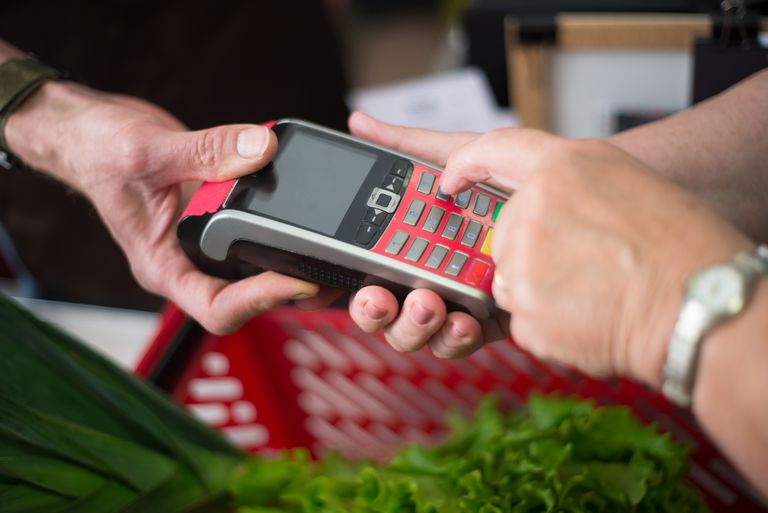
Walmart has also been changing the way customers can pay in its stores. Sarangno readers can also see our guide to Walmart Tap to Pay to learn more about another technology change shoppers may notice at checkout.
Frequently Asked Questions About Walmart AI Pricing
Does Walmart use AI to give individual customers different prices?
Walmart says it will not use personal customer information to create a higher individualized price based on who the shopper is.
Can Walmart prices still change?
Yes. Prices can change because of normal business considerations such as costs, competition, inventory, geography, seasonality, and other market factors.
Do Walmart digital shelf labels have cameras?
Walmart says its digital shelf labels do not contain cameras or microphones and do not identify individual shoppers.
Does Walmart Sparky AI affect the price I pay?
Walmart says information shoppers provide to Sparky will not be used to raise their individual price or hide lower-priced suitable choices.
Is Walmart personalized pricing the same as dynamic pricing?
Not necessarily. A price changing for shoppers because of normal business conditions is different from changing a price specifically because of personal information about an individual customer.
For shoppers, Walmart AI pricing could mean a faster, more personalized shopping experience while also raising questions about how prices are set. Digital shelf labels can make current prices easier to see and help shoppers notice when prices change. That gives customers a chance to decide whether an item seems affordable, expensive, cheaper than expected, or simply not worth buying. The benefit is more up-to-date information, while the concern is making sure shoppers clearly understand why prices change.
Final Thoughts
Walmart AI pricing may sound complicated, but the key difference is relatively simple. Technology can help Walmart manage and display prices more efficiently without necessarily creating a different price for each individual shopper.
As AI and digital shelf labels become more common, consumers will have good reason to keep asking how these systems work and how their information is used.
For now, Walmart says its policy is clear: personal information will not be used to decide that an individual shopper should pay more.